
Sprunki Phase 24
Sprunki Phase 24 Mods Game


















How To Play Sprunki Phase 24
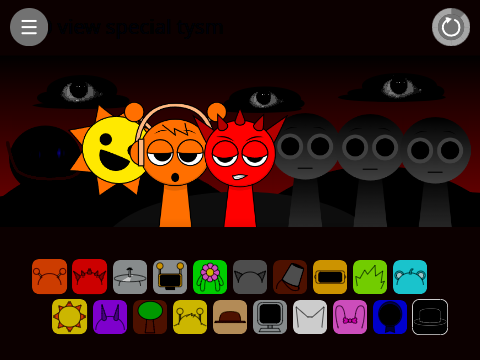
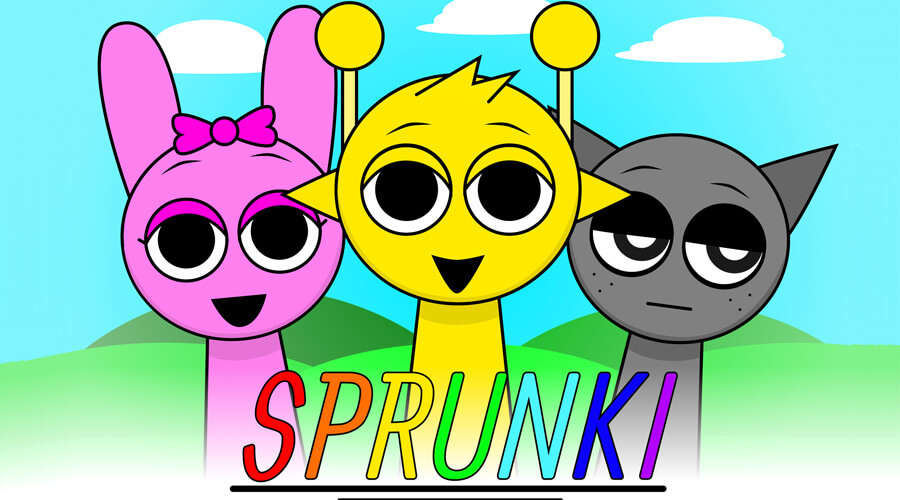
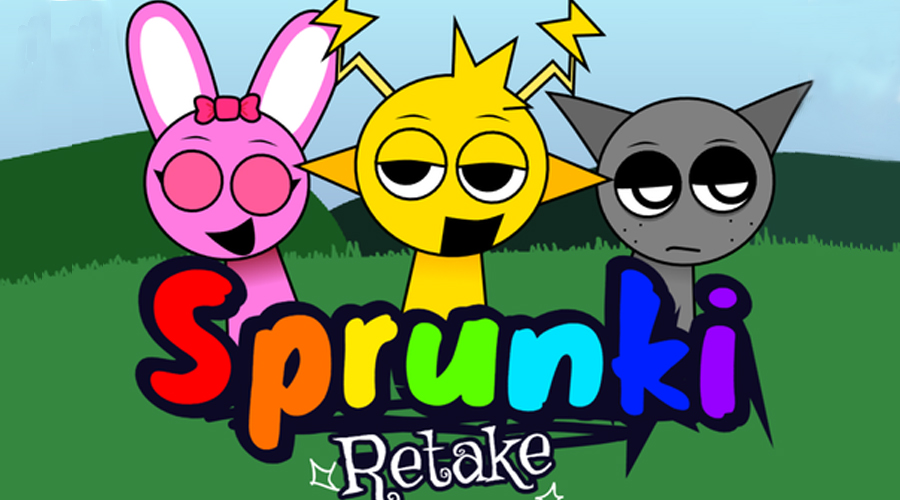
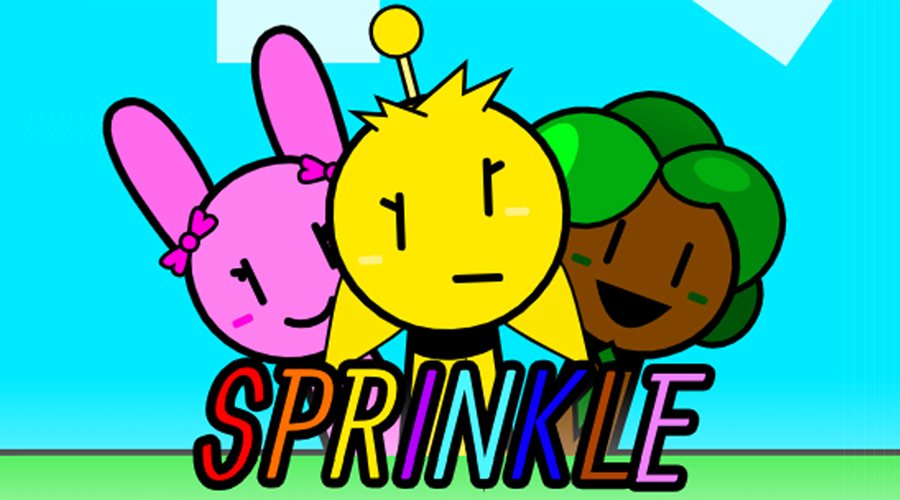
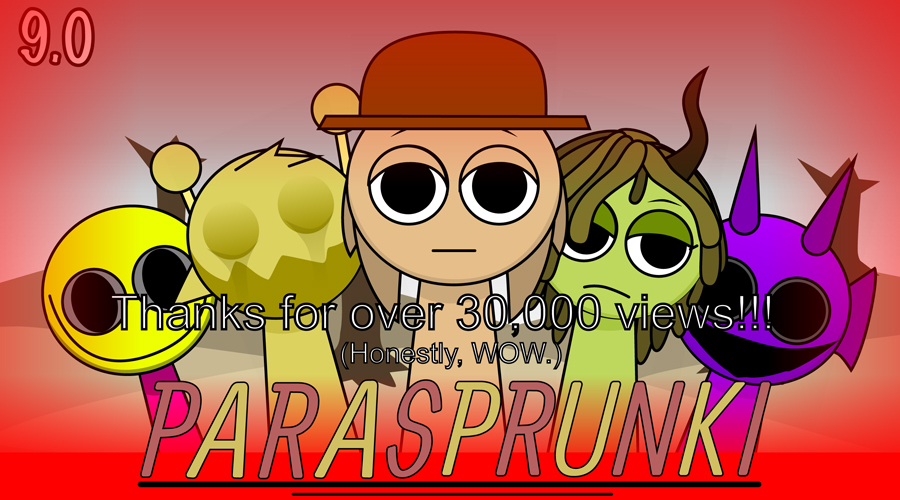
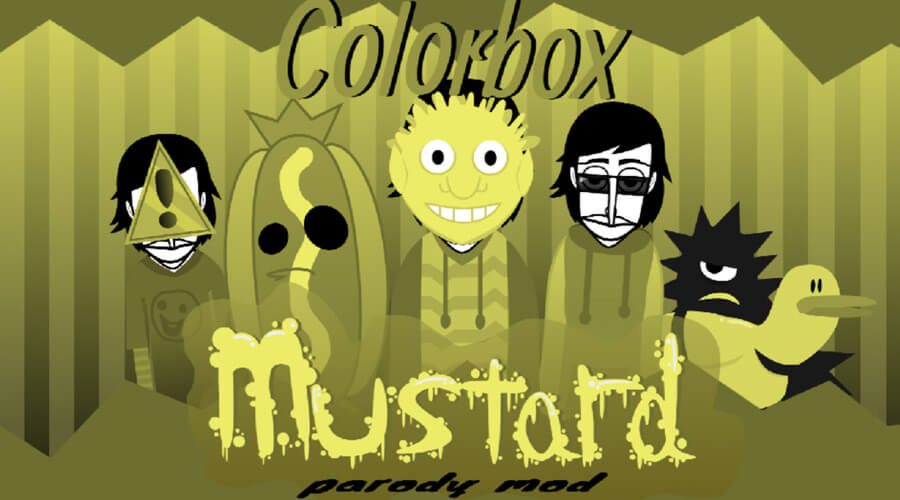
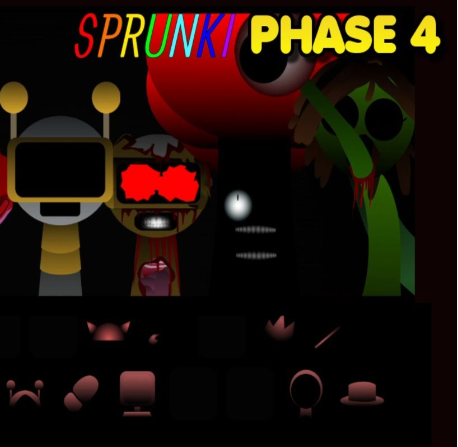
The core gameplay loop is misleadingly straightforward yet abundant in creative possibilities. Participants begin with a vacant stage populated by a collection of Sprunki characters, each represented by a graphical symbol. The main interaction involves pulling audio icons from a toolbar and placing them upon these characters. Each character subsequently serves as a vessel for a distinct sound stratum—rhythms, vocals, tunes, effects, or low frequencies. After assignment, the character will repeatedly cycle its allocated audio, enabling participants to construct a multi-layered arrangement instantaneously.
The control scheme is engineered for instant usability. With a mouse, players can move and place symbols, select any avatar to silence or delete its audio, and reorder performers by relocating them to different spots on the stage. This shifting not only alters the visual arrangement but also influences the interplay among audio elements, promoting active exploration. Hotkeys improve the efficiency: hitting the Spacebar starts or stops playback, the R key clears the entire stage to a blank state, and the Esc key brings up a pause or configuration menu for supplementary options.
No rigid goals exist, nor victory conditions or point systems. The design ethos is grounded in unrestricted discovery. Users are advised to begin by laying a consistent rhythmic base—a percussion loop—and then gradually incorporate melodic and harmonic components. Silencing specific tracks may unveil concealed textures, while exchanging characters frequently results in surprising audio transformations. The secret to accessing Sprunki Phase 24’s complete richness involves experimenting with unconventional pairings: matching a distorted vocal with a profound bassline, or superimposing distorted effects onto a rhythmic foundation. When a particular combination activates a hidden animation or an additional musical sequence, the software indicates this through a visual indicator, rewarding the user's perseverance. This unrestricted methodology guarantees that each playthrough feels distinct, whether constructing a sparse ambient composition or a disorderly, multi-tiered sonic landscape.
Sprunki Phase 24 Wiki
Summary
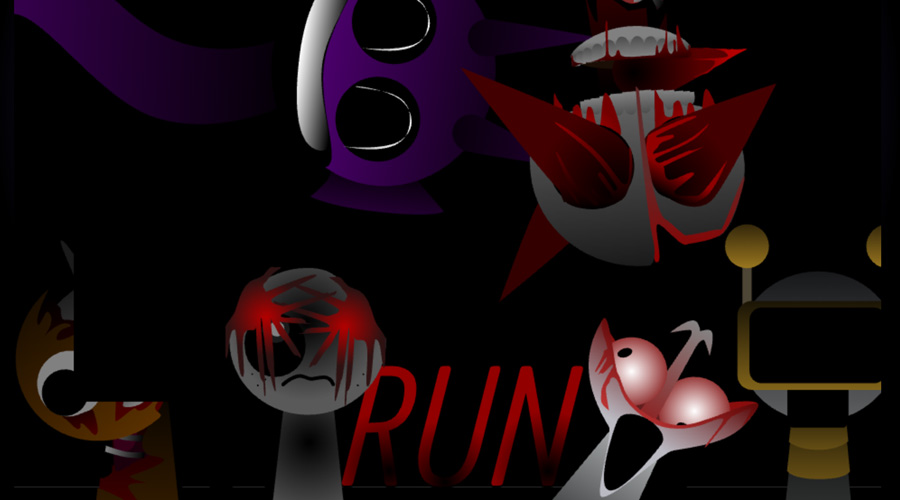
Sprunki Phase 24 represents an audacious, fan-driven advancement within the Sprunki modification community, taking its foundational inspiration from the highly acclaimed Incredibox series. This version intentionally moves into more somber and exploratory realms, delivering a glitch-filled auditory and visual environment where electronic rhythms, synthetic voices, and fragmented tunes come together. In contrast to its earlier versions, Phase 24 adopts a dystopian visual style—featuring corrupted digital imagery, neon-lit interfaces, and a mood that shifts between unsettling and mesmerizing. The experience allows players to act as composers, combining sounds from a set of uniquely crafted figures, each offering a specific auditory component: profound bass lines, ambient soundscapes, rhythmic loops, or disturbing vocal clips. As players form various pairings, hidden transitions and exclusive visual sequences are revealed, rewarding inquisitiveness and inventive experimentation. The outcome is less a game with a definitive conclusion and more an open platform for sonic creativity—a realm where beat, exploration, and futuristic aesthetics merge into a constantly engaging encounter. For fans of music creation games and mods that defy conventions, Sprunki Phase 24 presents a compelling, self-contained world of audio.
Key Features
Sprunki Phase 24 sets itself apart through several notable attributes that appeal to both experienced music game players and those new to the genre.
Firstly, its sound design is intentionally unconventional and mood-driven. The audio collection includes distorted, mechanical vocals, shattered electronic rhythms, and deep, resonant bass notes that evoke a feeling of pressure and deep involvement. Each figure’s audio is carefully assembled to align with the mod’s more somber atmosphere, departing from the upbeat tunes of the original Incredibox format. The incorporation of distortion, digital corruption, and unsettling background noises gives every arrangement a unique, advanced technological edge.
Secondly, the experience incentivizes discovery through concealed elements. Specific combinations of figures activate exclusive visual sequences, effects, and additional musical segments. These finds are not overtly indicated, motivating players to systematically try different pairings. The gratification of revealing a transition or a hidden layer introduces a puzzle-like fascination to the inventive workflow.
Thirdly, the controls are elegantly simplified. The click-and-drag interface is straightforward, requiring no prior musical education or technical expertise. The keyboard shortcuts further enhance the workflow, allowing players to restart, pause, or move through menus without disrupting their creative process. This ease of use means the game can be enjoyed by casual participants seeking a brief imaginative session, as well as by dedicated remixers aiming to develop complex, multi-layered compositions.
Fourthly, the graphic presentation is a significant attribute in its own right. Phase 24 embraces a glitch-motivated visual style with neon highlights, digital errors, and a futuristic interface that harmonizes with the audio collection. The figures themselves are created with a unique, almost mechanical appearance, reinforcing the mod’s central concept. This unified visual-auditory identity sets Phase 24 apart from other Sprunki modifications, which often lean toward more vibrant or playful designs.
Finally, the extensive range of figure pairings guarantees high replayability. With numerous sound symbols and figures, the possibilities are immense. Each session can produce a completely distinct arrangement, ranging from industrial noise to captivating electronic music. The lack of a set objective means players can return repeatedly, each time investigating a fresh aspect of the sonic landscape.
Precautions/Tips
To fully benefit from the experience and prevent typical problems, players should keep several useful considerations in mind.
First, approach the game with a mindset of patience and exploration. The most fulfilling moments frequently arise from seemingly haphazard or "incorrect" pairings. If a mixture becomes disorganized or overcrowded, avoid the urge to completely restart. Instead, try gradually silencing individual tracks to identify the cause of disharmony, then reintroduce components one by one. This organized method helps in grasping each figure's function and how sounds interact.
Second, begin with a consistent rhythm. A solid rhythmic base provides a reliable structure for adding tunes and effects. Once the rhythm is established, introduce one sound at a time, allowing each new layer to be distinctly perceived before adding the next. This prevents the mixture from becoming blurred and helps the player appreciate the nuances of each figure's contribution.
Third, be attentive to browser or device performance. Since Sprunki Phase 24 is typically played online and may involve real-time audio processing, ensure that your browser is up to date and that no other demanding tabs or applications are running in the background. If you encounter audio interruptions or delays, try reducing the number of active figures or silencing non-essential tracks.
Fourth, remember that the game is completely free to play, and no musical expertise is necessary. The design intentionally reduces obstacles to entry, so do not be daunted by the intricate-sounding description. The most effective way to learn is through action—drag, drop, listen, and repeat.
Lastly, while there are no formal guidelines, consider recording your preferred pairings. The game does not automatically preserve mixes, so if you find a particularly enjoyable arrangement, note the figure placements or take a screenshot. This can assist you in recreating or building upon your findings in future sessions.
In conclusion, Sprunki Phase 24 is an imaginative instrument disguised as a game. It encourages curiosity, accepts disorder, and thrives on the player's willingness to investigate the darker aspects of sound. By adhering to these straightforward tips, both newcomers and experienced players can realize the complete potential of this distinctive modification.
Sprunki Phase 24 Frequently Asked Questions
Q: Is playing Sprunki Phase 24 available at no cost? A: Absolutely. In common with numerous fan-created Sprunki modifications, it is typically accessible online without any charge.
Q: Is prior musical knowledge necessary to engage with Sprunki Phase 24? A: Not at all. The user-friendly drag-and-drop system allows newcomers to get started easily while still providing ample creative complexity for seasoned users.
Q: Is there secret material to discover within Sprunki Phase 24? A: Indeed. Particular groupings of characters trigger exclusive animations, distinctive visual effects, and additional musical sequences that are not immediately obvious.
Q: How does Phase 24 stand apart from other Sprunki modifications? A: Its glitch-inspired aesthetic, eerie synthetic voice effects, futuristic imagery, and unconventional sound crafting produce a one-of-a-kind ambiance that diverges from typical Sprunki encounters.
Q: Does each session of Sprunki Phase 24 play out identically? A: Far from it. The extensive array of character pairings enables players to generate countless original compositions, ensuring that every attempt feels distinct from previous ones.
Q: What constitutes the fundamental gameplay in Sprunki Phase 24? A: The essential activity centers on constructing your own audio track by pulling various sound icons onto the available Sprunki characters. Each character stands for a musical component such as rhythms, vocals, tunes, or audio effects.
Q: What is the method for operating the game using a mouse? A: You can pull and release sound icons onto characters, left-click a character to silence or eliminate its sound, and rearrange the performers to try out different musical arrangements.
Q: Which keyboard commands are used in Sprunki Phase 24? A: The Spacebar begins or halts the current audio mix, the R key clears the stage and initiates a new composition, and the Esc key brings up the pause screen or settings panel.
Q: What is the essential element for achieving success in the gameplay? A: Trying out different approaches is crucial. Changing performers, silencing particular tracks, and experimenting with unconventional combinations often disclose hidden interactions and unique visual effects.
Q: Are there any rigid goals within the game? A: No, there are no strict targets, which lets players freely investigate countless musical options while immersing themselves in Phase 24's distinctive atmosphere.
Q: What is an effective method for crafting more complex mixes? A: Begin with a consistent rhythm, then layer in tunes and effects. Incorporate each sound one at a time to grasp every character's function, and attempt unexpected pairings to discover concealed animations.
Q: What steps should be taken if your musical piece becomes disorderly? A: If your piece becomes messy, reduce the number of overlapping sounds to streamline the mix.
Q: What kind of mood does Sprunki Phase 24 evoke? A: It adopts a darker, more experimental tone featuring glitchy graphics, robot-like vocalizations, and fragmented electronic beats, forming an engaging environment with a futuristic style.
Q: What occurs when you pair performers in particular ways? A: Hidden sound combinations trigger special animations and unexpected musical shifts.
Q: Is Sprunki Phase 24 designed as a game of competition? A: No, it focuses entirely on creativity rather than rivalry. Patience and exploration are encouraged, making every playthrough feel fresh and original.